| Programme of EventsMembershipPublicationsEditorial BoardOfficers | Library | Medieval Graffiti Survey |
|
|
Hampshire Field Club & Archaeological Society |
| Registered Charity number 243773 | HomepageArchaeologyHistoric Buildings Hampshire Papers LandscapeLocal History |
 |
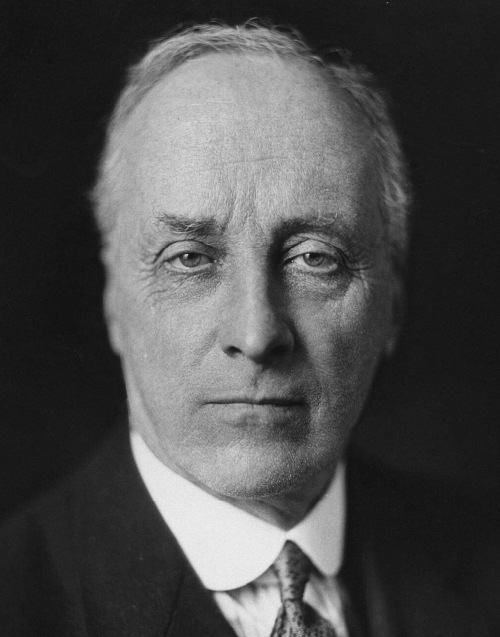
Celebrating Hampshire HistoriansPeers, Charles Reed22 September 1868 – 16 November 1952Sir Charles Reed Peers CBE FBA FRIBA FSA was an architect and archaeologist who became England’s second Inspector of Ancient Monuments (after Lt-Gen Augustus Pitt Rivers) and the first Chief Inspector from 1913 to 1933. Peers was born in Westerham, Kent, the eldest son of an Anglican priest. He was schooled at Charterhouse and King’s College, Cambridge, with further studies in Dresden and Berlin. During his apprentice years as an architect, he also found time to excavate in Egypt. On his return to England, he practiced as an architect and edited the Archaeological Journal from 1900 to 1903. Following this, he became an architectural editor of the Victoria County History, supervising the drawings and contributing, by his own hand, the plans and descriptions of Winchester Cathedral, St Albans Abbey and numerous other locations. In 1910 he was appointed successor (after a gap of ten years) to General Pitt Rivers as Inspector of Ancient Monuments. It was around this time that he wrote up the excavations conducted by Lord Bolton on the site of Basing House, Hampshire. Peers was a leading supporter of Lord Curzon’s moves to introduce Ancient Monuments legislation and after being appointed as Chief Inspector he made extensive use of the powers to preserve ruined buildings. His preferred approach, with zealous use of lawnmower and information panels, was to turn a picturesque ruin into an instructive archaeological site, something which was later viewed as a rather sterile presentation. Peers was made surveyor to Westminster Abbey in 1935 and held similar posts at York Minster and Durham Cathedral. He was Seneschal of Canterbury Cathedral, and an architectural advisor at Winchester. Peers accrued many honours in his lifetime, serving numerous organisations, including the Society of Antiquaries, Royal Commission on Historical Monuments, British Museum and Royal Institute of British Architects. He was made CBE in 1924 and knighted in 1931. By the end of his career, he had set a standard for the excavation and public presentation of medieval military and monastic sites which endured for several decades. Peers married art historian Gertrude Shepherd in April 1899. They had three sons. SourcesPortrait
Contribution to county’s historyWork on Winchester Cathedral and Basing House, along with the presentation of ancient monuments generally. Relevant published works
Critical CommentsHis work has been reassessed in recent years. Although still praised for his impact on the protection and preservation of standing ruins, he has been criticised for the extensive clearance of monastic sites which removed evidence of their use and occupation after the medieval period. The clinical presentation of walls set in lawns with herbaceous borders has also been condemned for removing their natural context, and eliminating the romanticism of overgrown, tumbledown, ivy-clad ruins Other CommentsContributorDave Allen, November 2023 Key WordsWinchester Cathedral, Basing House, ancient monuments Any queries or further suggestions for this part of the list should be addressed to celebrating@hantsfieldclub.org.uk.
| |
| Contact Any questions about the web site? Then email Webmaster |
||