| Programme of EventsMembershipPublicationsEditorial BoardOfficers | Library | Medieval Graffiti Survey |
|
|
Hampshire Field Club & Archaeological Society |
| Registered Charity number 243773 | HomepageArchaeologyHistoric Buildings Hampshire Papers LandscapeLocal History |
 |
Celebrating Hampshire HistoriansPannell, John Percival Masterman16.08.1899 - 05.11.1966Pannell was born in Plymouth. His father was a ‘cycle agent and maker’, which may have stimulated his son’s interest in engineering. Pannell began his career in this sphere in 1920 with a firm in Slough and two year’s later joined the Great Western Railway’s Civil Engineering Department, gaining experience of the operation of docks at Port Talbot and Swansea. In 1935 he was appointed engineer to Southampton Harbour Board, a post he held until 1964. In this role he played an important part in the modernisation of the Royal Pier and Town Quay. His talent was such that he also served as an honorary lecturer on the history of civil engineering at the University. In addition, between 1956 and 1966 he was a member of the University Council, serving on various committees. Each year the J.P.M. Pannell memorial prize is awarded to the student with the best overall performance in the Department of Civil and Environmental Engineering Part II examinations. Three of his principal publications Materials of Civil Engineering; An Illustrated History of Civil Engineering; and Techniques of Industrial Archaeology clearly reflect his professional background. He died in Manchester and in one obituary is described as a ‘man of many parts’ (Southern Daily Echo, 12.11.1966). Sources
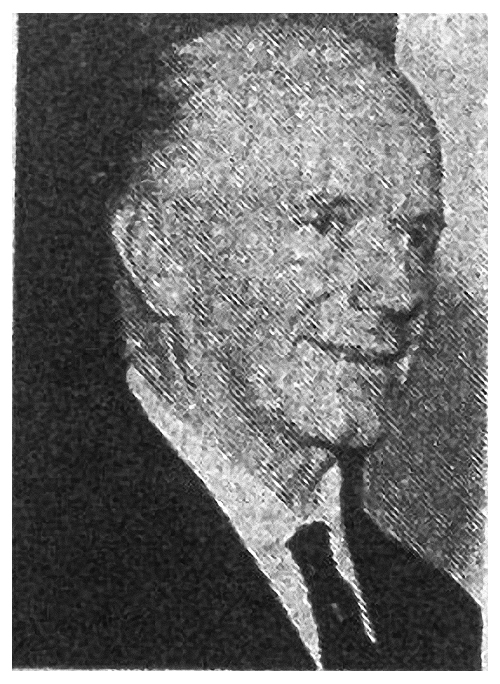
Portrait
Contribution to county’s historyThrough two publications, but more particularly the second (see below), Pannell applied knowledge gained from his employment with the Harbour Board to research the history of Southampton’s waterfronts, from tide mills to local seaborne trade and from roads and bridges to maritime flying. He was also a pioneer in the field of ‘industrial archaeology’. Relevant published works
Critical CommentsSadly Pannell died shortly after completing the manuscript for Old Southampton Shores so there was no opportunity for him to follow this up with other publications on the history of Southampton. However, in a fitting tribute, Arlott observed that, this work was ‘not only fresh and illuminating, but an enrichment of the city, a model to local historians of the future, and a distinguished memorial to Mr Pannell.’ (‘Pannell’s Southampton’, p.24) Other CommentsSomewhat presciently, Pannell devoted a chapter of Old Southampton Shores to ‘Participation in History’ in which he wrote: ‘Never before has it been so easy for craft workers, clerks, and housewives to study and record the changes in their own communities and industries … for the first time, the professional historian is being presented with a flow of material, rapidly increasing, from contributions to local and national societies written by people in all walks of life. No longer is the history of a village left to an industrious and literary minded vicar or squire, it is more likely to be the joint effort of a Women’s Institute branch, or a project at a local school’ (p.179). ContributorRoger Ottewill (26.01.2022) Key WordsSouthampton, history of Southampton, industrial archaeology, local history, engineering Any queries or further suggestions for this part of the list should be addressed to celebrating@hantsfieldclub.org.uk.
| |
| Contact Any questions about the web site? Then email Webmaster |
||