| Programme of EventsMembershipPublicationsEditorial BoardOfficers | Library | Medieval Graffiti Survey |
|
|
Hampshire Field Club & Archaeological Society |
| Registered Charity number 243773 | HomepageArchaeologyHistoric Buildings Hampshire Papers LandscapeLocal History |
 |
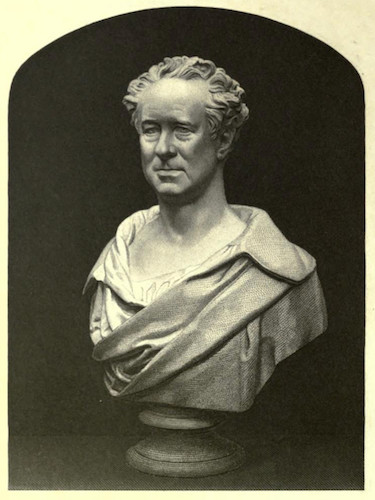
Celebrating Hampshire HistoriansHawker, Peter24 November 1786 – 7 August 1853The ‘sporting exploits’ of Colonel Peter Hawker, considered one of the ‘great shots’ of the 19th century, were widely followed during his lifetime, and his Instructions to Young Sportsmen in All That Relates to Guns and Shooting was something of a best-seller. When he wasn’t pursuing fish, fowl (or beast, for that matter) his diary entries contain elements of local history and much of interest for the historian, particularly concerning his Hampshire homes of Longparish House, near Andover, and a cottage at Keyhaven. Hawker was born in London to Col Peter Ryves Hawker and his wife Mary (neé Yonge), educated at Eton, and in military service by 1801. He was a Captain of Dragoons at the age of 17 and served under Wellington during the Peninsular War. Wounded at the Battle of Talavera, he resigned his commission and left the army, although in later years he was fit enough to serve as a Major in the North Hampshire Militia, rising to the rank of Lieutenant-Colonel and going on to become Deputy Lieutenant for the county. Hawker published an originally anonymous memoir of the Peninsula War and kept a detailed journal containing observations on his world view before and after the Napoleonic period. He was clearly obsessed by the urge to go wildfowling, game shooting and fishing, and keep a detailed record of his successes and failures, but his diary entries also include references to the social scene and political turmoil of the time, including the ‘Swing Riots’ and general feeling of unrest in the capital. Away from his guns (which he was forever trying to improve) he was an accomplished musician, regularly playing the organ at Longparish church and patenting a device to assist in pianoforte tuition. He also had time for family life, marrying Julia Barttelot in 1811. They had two sons and two daughters. His Instructions first appeared in 1814 and saw nine impressions during his lifetime. His diaries (1802 – 1853), abridged and in two volumes, appeared in 1893. Even at that date his work was attracting negative comment, ‘something of an egotist’ wrote Sir Ralph Payne-Gallwey in his introduction, but criticism of his indiscriminate and almost bloodthirsty approach to the natural world has inevitably grown louder in more recent times. C L McKelvie, in a foreword to the 1988 edition of the diaries described Hawker as ‘unacceptably self-absorbed, cock-sure and downright arrogant’. On the plus side, much of the prodigious quantity of game being bagged probably found its way to the larder and the dining table – a small crumb of comfort in a trail of mayhem! SourcesPortrait
Contribution to county’s historyMany references to travel and daily life in Hampshire and further afield but set amongst the most relentless litany of game shooting and wildfowling. Just about worth combing through for the real life… Relevant published works
Critical CommentsA great writer…with limited focus Other CommentsContributorDave Allen - May, 2024 Key WordsLongparish; Keyhaven; landed gentry; wildfowling; Peninsula War Any queries or further suggestions for this part of the list should be addressed to celebrating@hantsfieldclub.org.uk.
Back to Historians G-H from Gallup, Peter to Hudson, William Henry | |
| Contact Any questions about the web site? Then email Webmaster |
||